Why UK Applicants Need Document Legalisation and Arabic Translation for Saudi Visa Applications
Saudi Arabia’s visa system has become faster, more digital, and more structured in recent years. However, with these improvements has come a stronger focus on documentation accuracy and compliance. One of the most common reasons Saudi visa applications from the UK are delayed—or returned—is incomplete document legalisation or missing Arabic translation.
For UK professionals, businesses, and corporate travellers, this requirement often raises questions. Why is legalisation necessary? Why isn’t an English document sufficient? And why does translation still matter after apostille?
The short answer: Saudi authorities must be able to verify and understand every document submitted. This guide explains how that works—and how UK applicants can avoid unnecessary delays.
Legalisation: How Saudi Authorities Verify UK Documents
When you submit documents for a Saudi visa, Saudi authorities must be confident that those documents are genuine. Unlike UK systems, they cannot independently verify UK-issued certificates, contracts, or letters.
Document legalisation bridges that gap. It confirms that a document:
Was issued by a recognised UK authority
Has not been altered or falsified
Can be relied upon for official use in Saudi Arabia
Without legalisation, Saudi ministries and visa officers have no way to confirm authenticity—and applications typically stop at that point.
Apostille Is Essential—but Not Always the Final Step
Although Saudi Arabia joined the Hague Apostille Convention in 2022, apostille alone is not always enough for Saudi visa purposes.
For UK applicants, the process usually begins with an apostille from the Foreign, Commonwealth & Development Office (FCDO). This confirms that the document originates from a legitimate UK source and that the signature or seal is valid.
For many visa types—particularly Saudi work visas and business visas—this step is mandatory.
However, certain documents still require additional verification, depending on their purpose and the Saudi authority reviewing them.
When Embassy or Consular Legalization Is Required
Some documents need further authentication after apostille. This often applies to:
Employment contracts
Company incorporation or commercial registration documents
Corporate sponsorship or support letters
Powers of attorney
In these cases, documents may also require:
Attestation by a recognised UK Chamber of Commerce, and/or
Legalisation by the Saudi Embassy in London
Final acceptance is determined by the relevant Saudi authority, often under the oversight of the Saudi Ministry of Foreign Affairs.
Missing any part of this legalisation chain is one of the most common reasons Saudi visa applications are delayed.
Which Documents Usually Need Legalisation?
UK applicants are often surprised by how many documents must be authenticated. Common examples include:
Degree certificates and academic qualifications
UK police clearance certificates (ACRO)
Medical reports for Saudi work visas
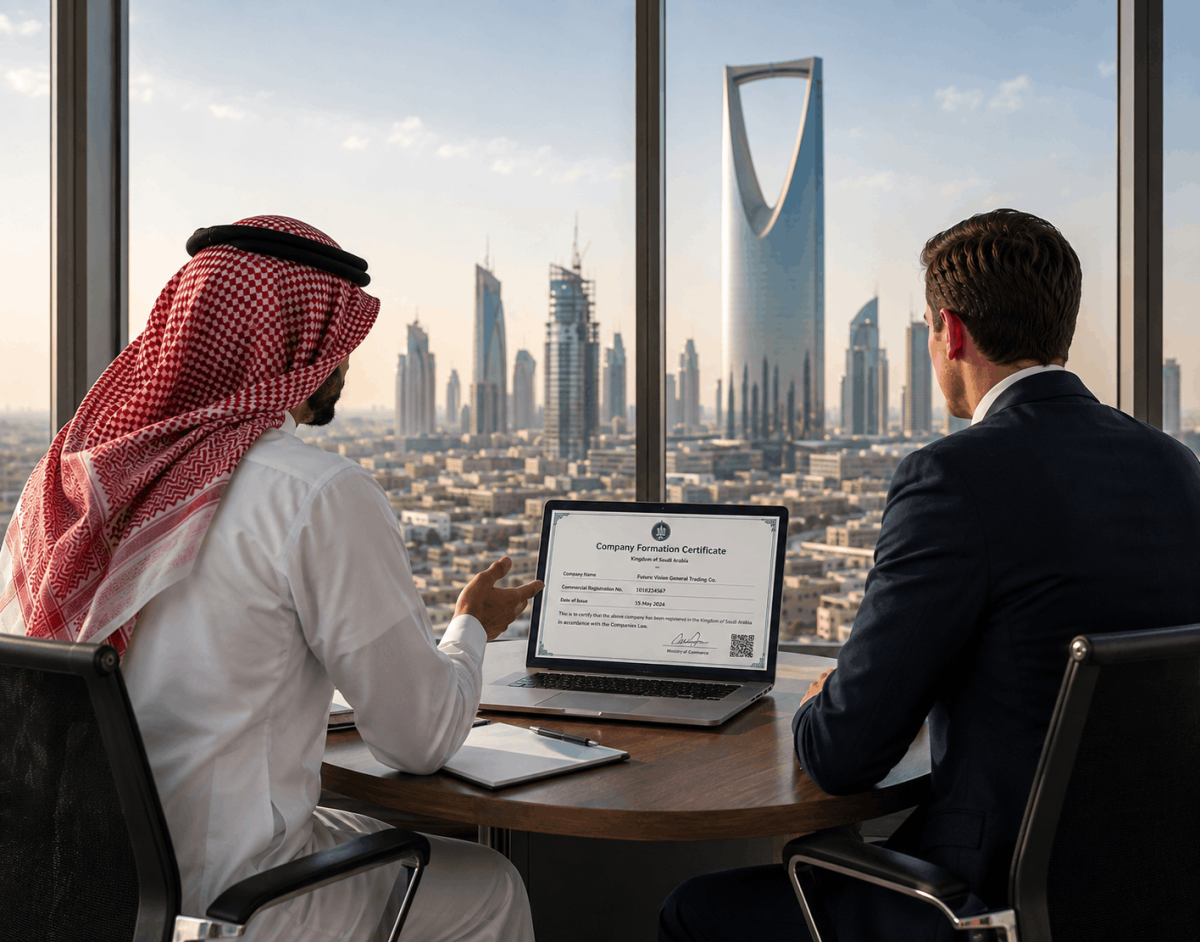
Company formation and commercial documents
Employment contracts and sponsor letters
Authorisation letters and powers of attorney
These checks protect both the applicant and Saudi institutions by ensuring all information presented is legitimate.
Why Arabic Translation Is Not Optional
Even when a document is fully legalised, Saudi authorities must still be able to read and assess it.
Arabic is the official language of Saudi Arabia, and most government platforms—including visa and ministry systems—operate in Arabic. As a result:
English documents must be translated into Arabic
Translations must accurately reflect the original content
In many cases, translations must be certified
Without Arabic translation, legally valid documents may still be rejected.
Translation Errors: A Common but Avoidable Problem
Many visa delays are caused not by missing documents, but by poor or inconsistent translation.
Typical issues include:
Misspelled names or incorrect passport numbers
Date inconsistencies between original and translated documents
Informal or uncertified translations
Missing pages or incomplete text
Saudi authorities review translations carefully. Even small discrepancies can trigger clarification requests or re-submission—adding time and cost to the process.
Why Compliance Matters
Saudi Arabia’s visa system is now more efficient—but also more precise. Documentation is checked carefully, and incomplete submissions are rarely overlooked.
If legalisation or translation requirements are not met:
Applications may be paused or returned
Processing times can extend significantly
Additional costs may arise
Employers may face compliance risks
For example, a Saudi work visa application can be refused simply because a degree certificate was not correctly apostilled or translated.
How Saudi Gulf and Visa Services Limited Supports UK Applicants
Navigating Saudi documentation requirements can be time-consuming, particularly for first-time applicants or corporate teams managing multiple cases.
Saudi Gulf and Visa Services Limited supports UK individuals and organisations with:
Document requirement assessments by visa type
Coordination of FCDO apostille services
Management of Saudi Embassy and Chamber attestations
Certified English-to-Arabic translation support
Compliance checks aligned with Saudi ministry standards
This structured approach helps reduce errors, avoid delays, and ensure documents are accepted the first time.